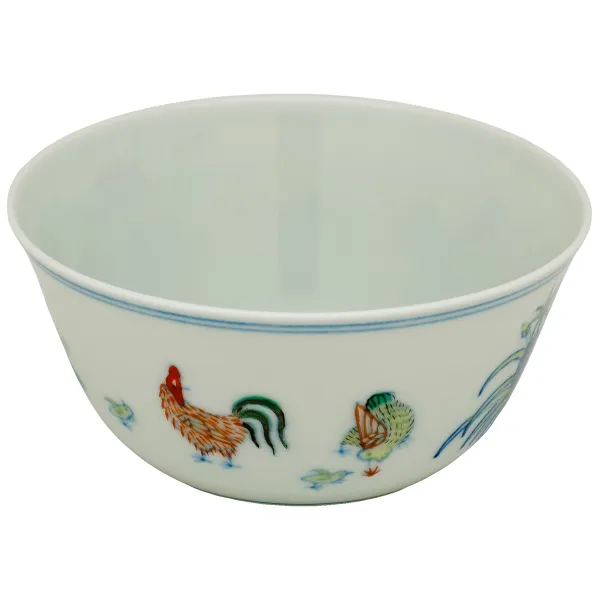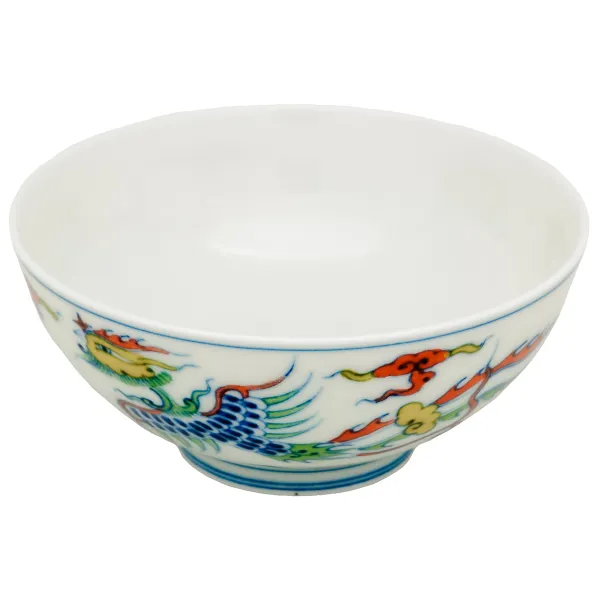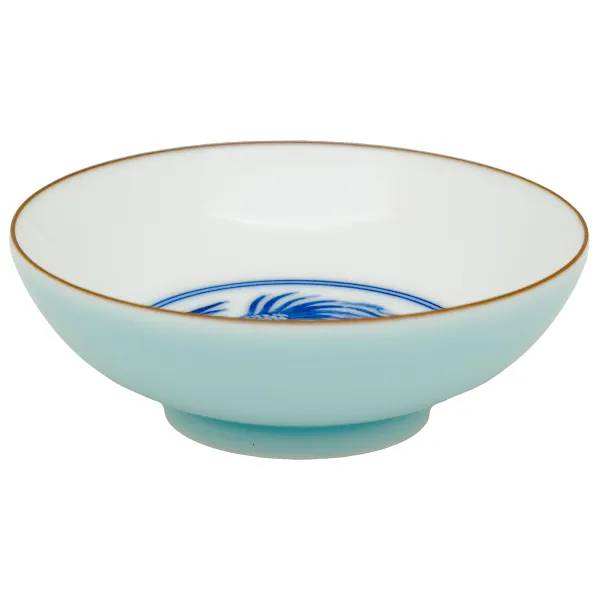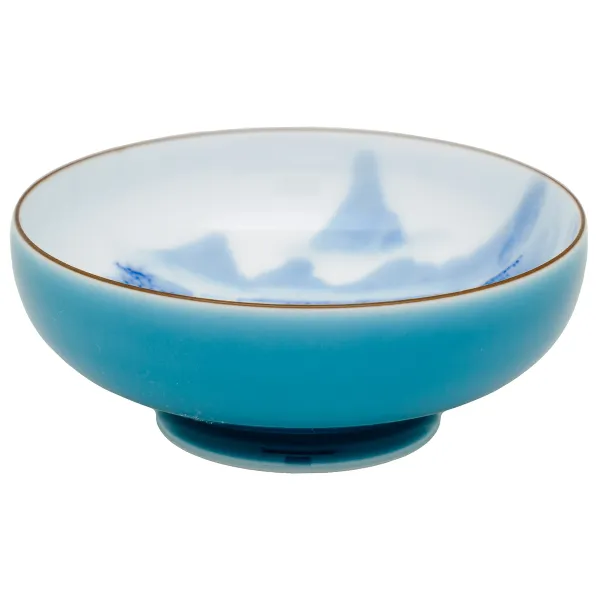
Handmade Ming-style “Ice Plum Blossom” Gaiwan

Fenshui Technique
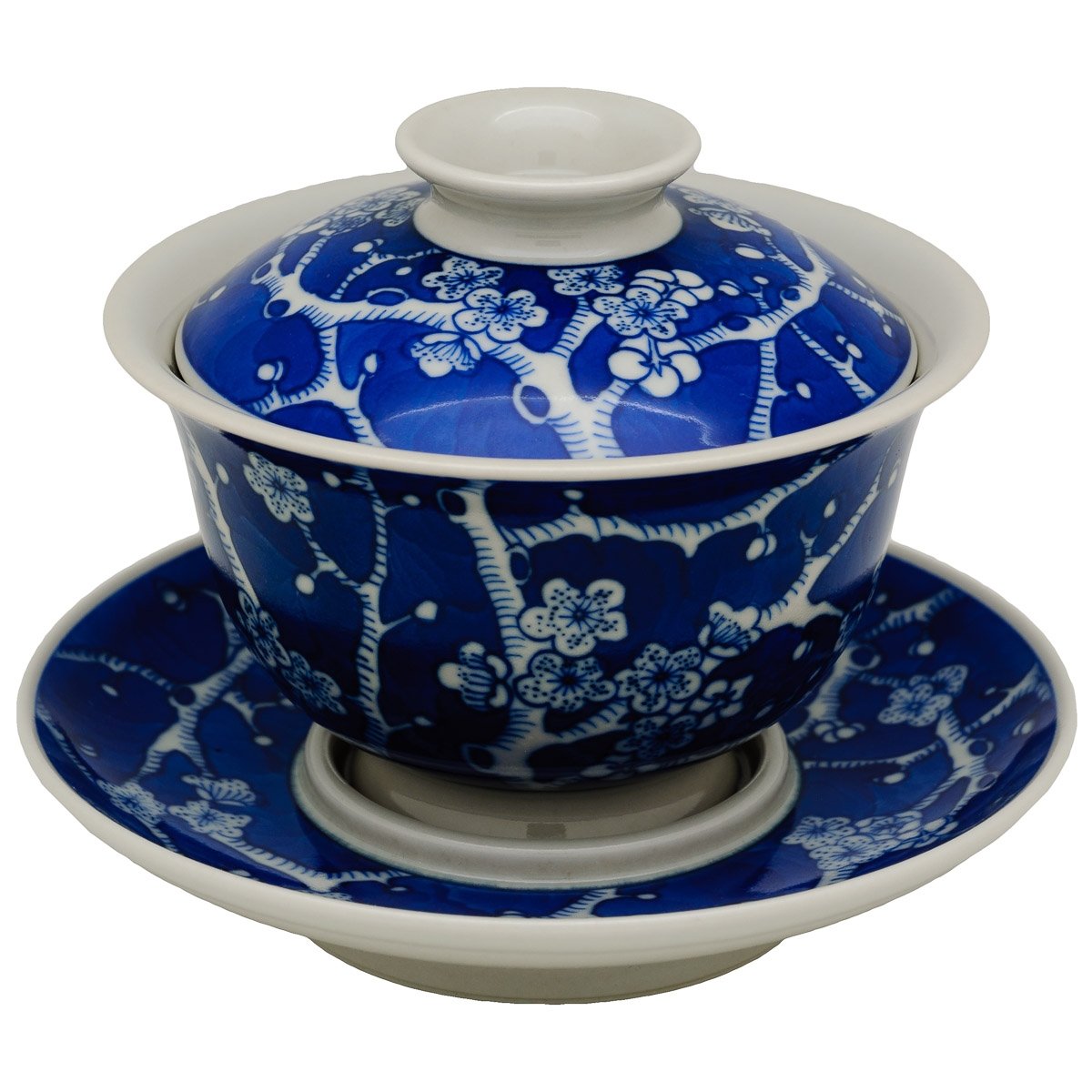
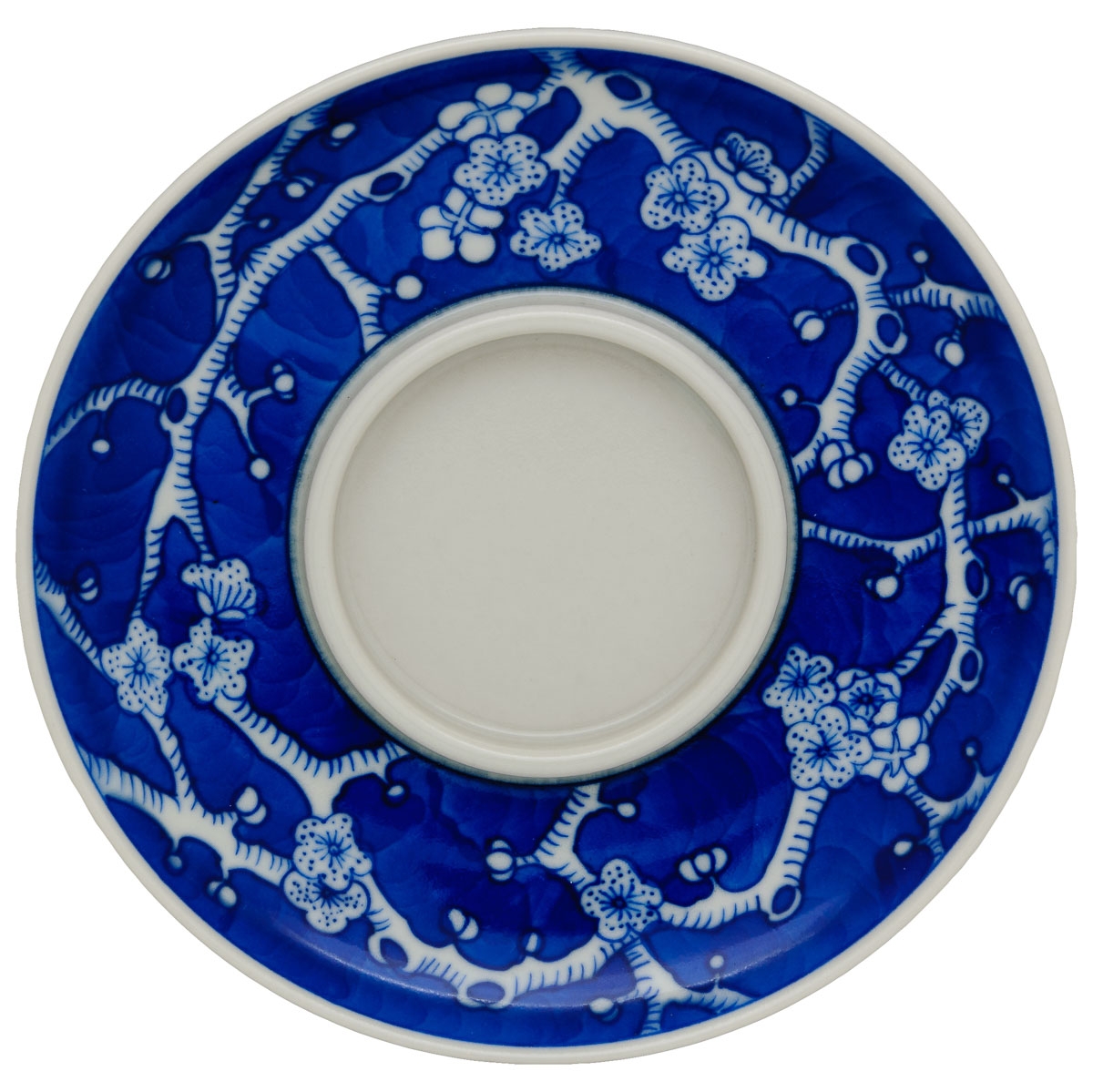
Using the traditional Fenshui(wash-painting layering) technique, the artisans create a visual effect reminiscent of the cracked-ice texture found in Ming-dynasty porcelain, incorporating delicate plum blossoms into the reserved white space.
Before firing, exact depth and the tone of the cobalt blue are unpredictable. Only after firing in the kiln do the different shades and layers of blue fully emerge. As a result, every piece is truly one of a kind.
From shaping the clay body on the potter’s wheel to every brushstroke of the decoration, the entire process relies on the artisan’s hand and experience. Traditional tools such as the “chicken-head brush” (jitou bi) are used to paint freely and spontaneously on the unfired body. No two pieces are exactly alike, giving each gaiwan a distinctive character and sense of vitality.
Design
The “Ming-style”character is expressed through the gaiwan’s full, robust proportions, solid body, and warm, lustrous glaze. The design seeks to capture the understated simplicity, strength, and handcrafted character of Ming-dynasty porcelain.
Motive of “IcePlum Blossom” refers to a classic decorative motif in blue-and-white porcelain. Plum blossoms are painted in cobalt blue on the porcelain body, while areas are deliberately left unpainted to form white plum blossoms against a blue background. Cobalt colour is then carefully layered and shaded to create a striking contrast between the deep blue ground and the reserved white blossoms.
The plum blossom, blooming bravely in the cold, traditionally symbolizes strength of character, resilience, and perseverance. Emerging amid the “crackedice” pattern, the blossoms also suggest renewal, revival, and vitality. With its characteristic five petals, the plum blossom is traditionally associated with the auspicious symbolism of the “Five Blessings” (wufu).
| Material | porcelain |
|---|---|
| Volume | 120 ml |
| Diameter Ø | 11,5 cm |
| Height | 9 cm |